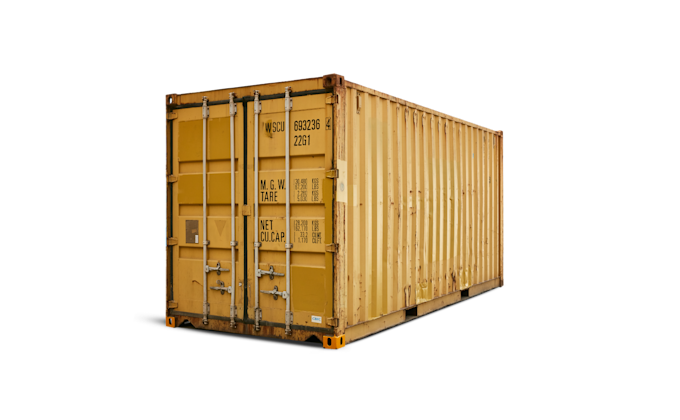
A shipping container as an animal shelter sounds unconventional, but is surprisingly practical: a steel, wind and watertight space that stands on your property within a few working days and can be fitted out entirely to your wishes. From a horse box made from a shipping container to a chicken coop or shelter for small livestock — with the right ventilation, insulation and layout, a bare container becomes a dry, safe and durable home.
A shipping container is built to withstand the elements for years. Those qualities — a strong steel construction, wind and watertight and break-in resistant — also make it appealing as housing for animals. Instead of putting up a shed with a permit process and foundation work, a container is usually on site within 3 to 7 working days. If you want to compare, you will find a detailed weigh-up in shipping container vs steel shed.
The main point of attention lies in the indoor climate. Untreated steel barely insulates and cools down quickly at night, causing moisture from the air to condense against the walls and ceiling. For animals, which give off heat and moisture, ventilation is therefore not a luxury but a basic requirement. Always combine sufficient ventilation grilles with insulation of the walls, roof and floor. How condensation forms and what you can do about it is explained in is a shipping container watertight, and the options for insulation and power can be found in the accompanying article.
Do not underestimate ventilation. A sealed, insulated container without air circulation becomes stuffy and damp, which is harmful to animals' health and, over time, causes rust from the inside out. Plan for sufficient ventilation grilles, allow windows or hatches to open, and make sure an airflow from low to high can develop. If in doubt, always consult a vet or specialist adviser about the right requirements for your animal species.
A shipping container as a horse stable calls for space, light and strong air renewal. A 40ft container (around 12 metres) offers enough length for one or two roomy horse boxes plus an aisle for feed and tools; for a single box a 20ft is often sufficient. A High Cube version with 30 centimetres of extra height gives comfortable standing height and improves the air circulation above the horse.
For a horse box made from a shipping container, a wide roller or stable door, a barred section or window per box and a non-slip, solid floor are important. Insulation tempers temperature peaks in summer and winter, and a spray coating in any RAL colour lets the stable blend into its surroundings. Take a look at the options for extra doors, windows and roller doors and for a bespoke container with lighting and fittings.
A shipping container as a chicken coop is a great solution for many keepers: safe against predators, mice and martens, and easy to keep clean. A 10ft (around 3 metres) or 20ft container offers space for nesting boxes, perches and a bedding floor, with a small hatch to a fenced run. Here too, ventilation and daylight are crucial, supplemented with insulation against heat in summer. The same principle applies to goats, sheep, hobby livestock or dry storage of hay and feed: a guaranteed wind and watertight base, adapted with doors, grilles and a layout that suits the animal. What the basic conversion can all do is set out in converting a shipping container into an office, workshop or garage.
Would you like to know which size and modifications suit your animals and your property? Let us know your wishes, and the local team will think along with you and, on working days, you will receive a bespoke proposal within an hour.
The right size depends on the animal's space requirements and the number of animals. As a rule of thumb: if you are hesitating between two sizes, choose the larger one — extra space costs relatively little and benefits the air circulation and welfare. The table below gives a rough direction; for the exact dimensions, see which size of shipping container to choose.
| Animal / use | Suitable size | Key modifications |
|---|---|---|
| Chickens / small poultry | 10ft – 20ft | Ventilation, nesting boxes, hatch to run, insulation |
| Goats, sheep, small livestock | 20ft | Roller door, ventilation, non-slip floor, insulation |
| Horse (single box) | 20ft (High Cube) | Stable door, window, ventilation, sturdy floor |
| Horses (two boxes + aisle) | 40ft (High Cube) | Multiple doors, windows, ample ventilation, lighting |
| Hay and feed storage | 20ft – 40ft | Ventilation grilles against heating up, extra personnel door |
A shipping container as an animal shelter combines speed and robustness with flexibility, but does call for a well-considered approach to climate and welfare. Weigh up the points below before you choose, and where necessary involve a vet or specialist regarding the requirements for your animal species. For the choice between new or used, a used, cargo-worthy container offers the best value for money for most animal shelters.
Looking for a suitable base for your horse stable, chicken coop or other animal shelter? Take a look at the current range in the shop and request a quote; we carry out the modifications before delivery. Check in advance with your local authority whether a permit for a shipping container on your property is required, as this varies from case to case.
Yes, provided it is properly adapted. A 20ft or 40ft container, preferably in a High Cube version for extra standing height, offers space for one or more horse boxes. Ample ventilation, insulation, a sturdy floor and sufficient light via windows or a stable door are crucial. For the requirements regarding stable climate and box dimensions, always involve a vet or stable specialist.
Condensation occurs because bare steel cools down at night and moisture from the air settles on it. Prevent this with sufficient ventilation grilles that allow an airflow from low to high, supplemented with insulation of the walls, roof and floor. Animals also give off moisture themselves, so allow for more ventilation than for ordinary storage.
For a chicken coop, a 10ft (around 3 metres) or 20ft container is usually sufficient, depending on the number of animals. Space is needed for nesting boxes, perches and a bedding floor, plus a hatch to a fenced run. Ensure ventilation and daylight, and insulation against heat in summer and cold in winter.
That depends on your local authority, the position on the plot, the size and the use. For storage at the rear of a property, more lenient rules often apply than for permanent housing or a spot at the front. Because rules differ per local authority and country, only your local authority can give a definitive answer. Always check this in advance.
HEROX carries out modifications such as extra doors, windows, ventilation grilles, insulation, electrics and a spray coating in any RAL colour in its own workshop, before delivery. The specific interior fit-out for animals — such as boxes, nests or an outdoor area — you tailor to the requirements of your animal species, possibly with a vet or specialist. Let us know your wishes for a bespoke proposal.
View live stock with prices, or get a tailored quote within one business hour.