Untreated steel barely insulates and becomes scorching hot in summer and ice cold in winter. If you want to use a shipping container as an office, workshop or living space, then good insulation and a safe power connection are the two measures that make the difference. In this guide you will read which options there are and when you are better off buying an insulated container straight away.
A shipping container is guaranteed wind and watertight by nature, but steel conducts heat and cold extremely well. Without insulation the internal temperature quickly rises in the sun and cools down completely again at night. That temperature difference also causes condensation against the cold walls, which over time causes rust from the inside out and mould on your belongings.
For cold storage that is no problem, but if you want to use the container as a shipping container as an office or workshop, then insulation is the basis for a pleasant, stable space. Insulating always goes hand in hand with ventilation to prevent condensation: a well-insulated but sealed container still needs vents or mechanical extraction.
There are roughly three ways to insulate a container, each with its own advantages and disadvantages in terms of insulation value, space taken up and cost. The choice depends on your budget, how intensively you use the space and how much internal room you want to keep. The table below sets the most commonly used options side by side.
| Method | Insulation value | Loss of space | Suitable for |
|---|---|---|---|
| Spray PUR foam | High | Minimal | Workspace and living space, seamless sealing |
| Insulation boards (PIR) | High | Limited | Office and living space with a clean finish |
| Mineral wool on a frame | Medium to high | Larger | Budget-friendly workshop or storage |
| Reflective foil | Low | Very small | Only as a supplement against radiant heat |
You get a container with a power connection by installing a complete electrical system: an earthed consumer unit, cabling concealed inside the walls, socket outlets, lighting and an outdoor connection point. You couple that connection to the mains grid via a certified electrician, or temporarily to a generator. For a safe, inspected installation you leave this work to a professional; HEROX installs electrics and lighting in its own workshop, before delivery. The steps below show the usual sequence.
Would you like a container tailored exactly to your use? Let us know which insulation and connections you need, and on business days we will send a tailored quote within one hour. All modifications are carried out in our own workshop before delivery.
You can buy a bare container and have it insulated later yourself or via an electrician, or opt straight away to buy a ready-made insulated container. Both routes have advantages. Arranging it yourself gives maximum freedom in material choice and phasing; buying insulated straight away delivers a space you can use on the day of delivery, with insulation and electrics neatly matched to each other. The comparison below helps you choose.
For a workspace or living space, standing height matters most of all. Insulation and a finished ceiling cost internal height, so a 40ft High Cube with extra height leaves more room after insulating than a standard model. For a compact office unit a 20ft is often enough, while a full container home is usually set up with 40ft or coupled containers. Both new (one-trip) and used are suitable; if you want a sleek appearance, the container can also be sprayed in any RAL colour. You can read more about the cost breakdown in our article on the prices and insulation value of a shipping container.
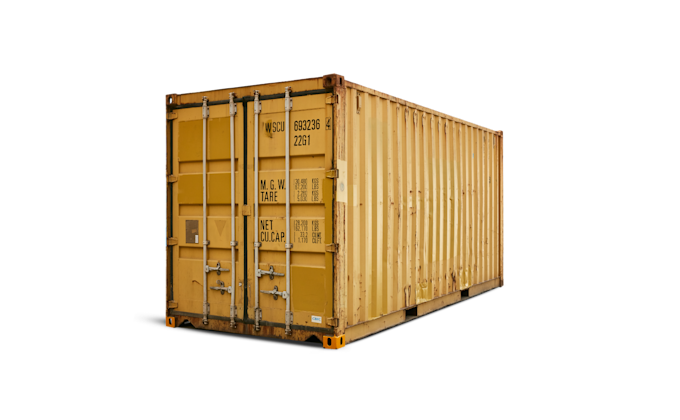
Reliable 20ft standard container, wind & watertight, ideal for storage or transport.
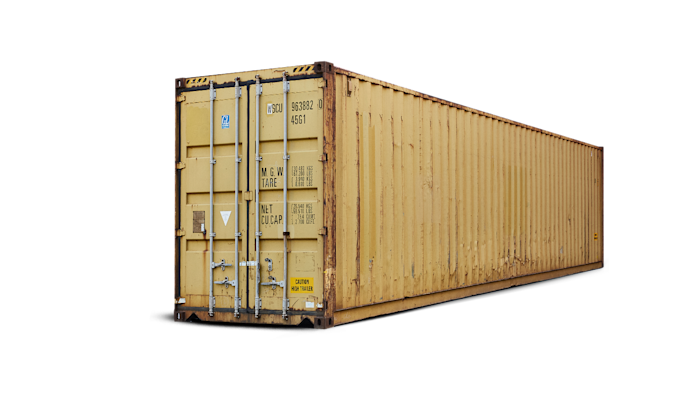
Extra height 40ft HC container — 2.70m internal height for maximum volume.
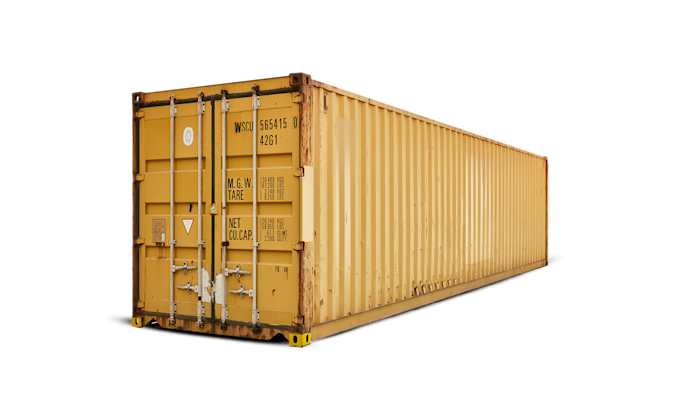
Spacious 40ft standard container with double doors, perfect for larger storage needs.
Think ahead about the layout: decide in advance where doors, windows, sockets and lighting will go. Then the cabling is taken care of in one go behind the insulation, and you will not have to break open any finish later.
Tell us what you are going to use the container for and which size you have in mind. On business days you will receive a concrete quote within one hour with price, stock and delivery date, including the desired insulation and power connection.
Yes, both new (one-trip) and used containers lend themselves to insulation. The basis is always a guaranteed wind and watertight steel container. For use as a workspace or living space, the walls, roof and floor are insulated and supplemented with ventilation. Which condition suits best depends mainly on your budget and whether appearance matters.
That depends on your use. Spray PUR foam insulates seamlessly and takes up little space, insulation boards give a sleek finish for an office or living space, and mineral wool on a frame is budget-friendly but costs more internal room. With every method, ventilation remains necessary to prevent condensation and mould.
A power connection consists of an earthed consumer unit with a residual-current device, cabling concealed inside the walls, sockets, lighting and an outdoor connection point for the grid or a generator. Have this work carried out by a certified electrician. HEROX installs electrics and lighting in its own workshop, before delivery.
Yes. Besides a bare container, at HEROX you can have a container fitted with insulation and electrics, which are carried out in our own workshop before delivery. You then receive a ready-made space at the desired location. When requesting a quote, let us know which insulation and connections you need for a tailored proposal.
Insulation and a finished ceiling cost a few centimetres of internal height and width. Standing height in particular can become tight. For a workspace or living space, therefore preferably choose a High Cube, which is thirty centimetres taller than standard. That way you keep enough standing and working height after insulating.
View live stock with prices, or get a tailored quote within one business hour.


