A shipping container is designed to survive for years on the deck of a ship: waves, salty air, heat and heavy storms. That robustness also makes it excellently resistant to wind and weather on your own site. Even so, buyers rightly have questions about storms, snow and frost — in this article we set out what a container can handle and where you do need to pay attention.
The question can a shipping container blow over is on many buyers' minds, and the honest answer is: in practice almost never, but no one can rule it out entirely. A shipping container is heavy, low and aerodynamically unfavourable to the wind — it is precisely that combination that makes it stable. A loaded 20ft or 40ft container stands rock solid thanks to its own weight and that of its contents, even in a strong autumn gale.
More vulnerable is an empty container standing on a slippery or sloping surface. In extreme gusts it could, in theory, shift or, in the case of a High Cube on a narrow base, tip over in the very worst case. You can easily prevent that risk by placing the container on a flat, paved and load-bearing surface. For the right foundation, take a look at our tips on placing a container in the garden.
On a good surface, extra anchoring is usually not necessary, but in an open, windy location or with an empty container it gives peace of mind. Anchoring is done via the corner castings — the strongest parts of the container, made to carry eight fully loaded containers on top. The approach below keeps the container in place even in severe weather.
The roof of a shipping container is made of profiled steel and carries normal snow load on the container roof without any problem. The corrugated shape provides strength and the construction is designed for heavy loads. With a thick layer of wet snow, which weighs far more than powder snow, it is nonetheless wise to clear the roof from time to time. That prevents water from standing due to thaw and frost and, over time, attacking the coating.
Pay attention to drainage too: a slightly sloping roof or clear corner holes ensure meltwater runs off instead of freezing. Standing water accelerates rust formation — you can read more about that in our article on shipping container maintenance and preventing rust.
Are you using the container as a load-bearing structure, for example with a roof or canopy on top? Then always load via the corner castings and not via the roof panel itself. The roof is strong for snow and rain, but not intended to bear heavy point loads or a roof structure directly.
Frost does not damage a container's steel: the construction contracts and expands within safe limits. If you want to make a container frost-free, it is mainly about the contents and the internal climate. With large temperature differences between day and night, moisture condenses on the inside, which can then freeze. Ventilation is the first step, insulation the second.
For storing frost-sensitive items — paint, liquids, electronics — or for use as a workspace, have the container insulated and, if needed, fitted with heating. In our workshop we install insulation, ventilation and electrics before delivery. Read how that works in insulating a shipping container and connecting power. For more on preventing moisture, see is a shipping container watertight and how do you prevent condensation.
Unsure about the surface, anchoring or insulation for your situation? Our local team is happy to think along with you, free of obligation, and helps you make the right choice, without a sales pitch. We are available on working days from 8:00 to 18:00.
Whether a container braves wind and weather for years depends heavily on its initial condition and maintenance. Every used container at HEROX is CSC-certified, inspected at the depot and guaranteed wind and watertight at the moment of delivery. New (one-trip) containers are virtually as good as new. You can read more about that choice in buying a new or used shipping container and buying a second-hand shipping container at HEROX.
After that, keeping the weather resistance up to standard is easy: check the coating, door seals and drainage points a few times a year, and repair any damage in good time. This way your container stays resistant to storms, snow and frost for decades.
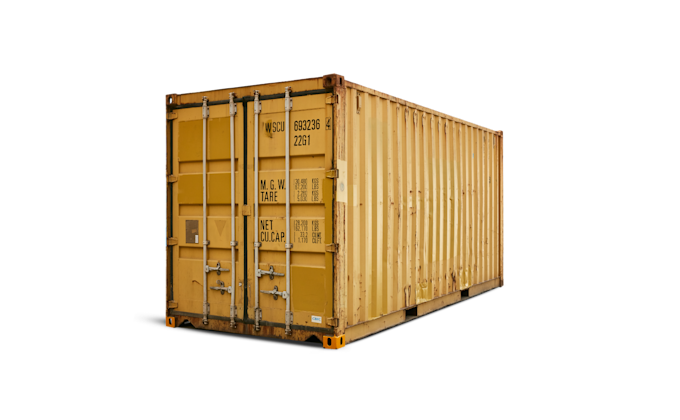
Reliable 20ft standard container, wind & watertight, ideal for storage or transport.
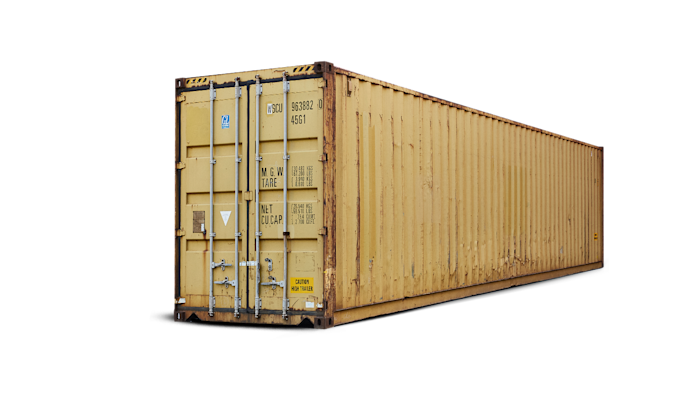
Extra height 40ft HC container — 2.70m internal height for maximum volume.
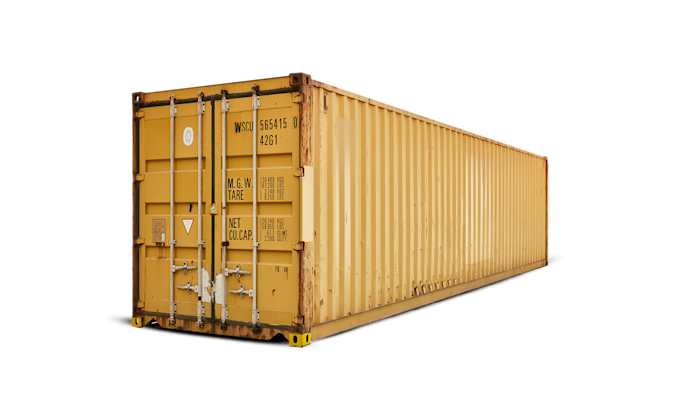
Spacious 40ft standard container with double doors, perfect for larger storage needs.
Do you know which size and condition you need? Let us know your type of container and delivery location, and on working days we will send a concrete quote within the hour with price, stock and delivery date. Delivery usually follows within 3 to 7 working days by crane truck or sideloader.
In practice almost never. Thanks to its low, heavy and compact shape, a container stands stable, especially when loaded. An empty container on a slippery or sloping surface is more vulnerable and can shift in extreme wind. Place it on a flat, paved surface and anchor it if needed via the corner castings to remove any risk.
The profiled steel roof carries normal snow loads without any problem, because the construction is designed for heavy loads. With a thick layer of wet snow, which is far heavier than powder snow, you are better off sweeping the roof. That prevents meltwater from standing and, over time, attacking the coating. Never load the roof with a loose roof structure.
The steel itself does not suffer from frost, but condensation and frost-sensitive contents do. Start with sufficient ventilation against moisture build-up and supplement this with insulation of the walls, roof and floor. For storing paint or liquids, for example, or for use as a workspace, an insulation layer with optional heating is the best solution. HEROX carries this out before delivery in its own workshop.
Yes. Every used container at HEROX is cargo-worthy or A-grade: CSC-certified, inspected at the depot and guaranteed wind and watertight on delivery. The difference from a new one-trip container lies mainly in appearance and price, not in protection against wind and weather. With regular maintenance, both last 25 to 30 years or longer.
On a flat, paved and load-bearing surface, anchoring is usually not necessary, because the weight of the container keeps it in place. In a very open, windy location or with an empty container, anchoring via the corner castings gives extra security. This can be done with ground anchors, concrete footings or steel brackets. Our team is happy to advise on your specific situation.
View live stock with prices, or get a tailored quote within one business hour.


