Buying or renting a shipping container: at first glance it looks mainly like a price question, but in practice the choice comes down to more than just the amount. How long do you need the space, how much budget can you free up in one go, and what suits your situation better for tax purposes? Below, the decisive factors are set out side by side, regardless of the container size you need.
The key question when deciding whether to buy or rent a shipping container is simple: how long do you need the space? For a short-term project such as a move, renovation or event, renting is the obvious choice: you pay only for the period you actually use the container, and afterwards it is collected again. If you are going to use the container on an ongoing basis, for example as permanent storage on a building site or yard, every extra month of rent adds up, whereas with buying you eventually have no more monthly charges and the container remains your property.
There is no hard cut-off, but at use of roughly a year or longer the sums tip towards buying for most situations.
| Factor | Buying suits you better if | Renting suits you better if |
|---|---|---|
| Duration of use | Long-term or structural use (roughly a year or longer) | Temporary project, seasonal or uncertain duration |
| Budget | Room for a one-off investment, possibly spread out | Limited budget upfront, prefer to spread costs per month |
| Flexibility | Fixed location and stable need | Scale up or down quickly, relocate or stop |
| Tax treatment | Depreciating as a business asset suits the business operation | Booking rent directly as an expense, no investment on the balance sheet |
| Value retention | Container stays your property and keeps its residual value | No concerns about storage or resale after use |
Buying requires an investment at the moment of purchase. If you would rather not settle it all in one go, you pay after delivery: the container is placed first, and only then does payment follow. Paying in advance by bank transfer actually earns you a 5 per cent discount, and anyone who would rather spread the cost can pay in instalments over up to 36 months through a licensed European finance partner. That keeps buying feasible without having to free up the full amount at once. You can read more about paying safely and the risks of paying upfront in buying a shipping container safely without a middleman. If you would first like to know roughly what the purchase costs, take a look at what a shipping container costs. Renting has no purchase costs, but it does carry a recurring monthly price that depends on type, condition and term; see renting a shipping container: monthly price and term for the details.
Renting is especially attractive when the need may change: a project that runs longer than planned, a season with extra storage, or a situation where you are not yet sure how much space you will need. You can easily scale up or down without first having to sell a container. Buying suits you better when the need is stable and you expect little change in number or location. If you are torn between a one-off project and structural use, take a look at shipping container vs steel shed for a comparable trade-off on a larger scale.
Not sure whether buying or renting suits you better? Ask about both options in the same quote request: on working days you will receive both a purchase price and a tailored rental proposal within an hour, so you can lay them side by side.
Tell us what you need and what for, and receive a tailored proposal within an hour on working days, for both buying and renting.
For tax purposes there is a clear difference between the two routes. A purchased container usually goes onto the balance sheet as a business asset and is depreciated over several years, which suits structural use within a business. Rent is generally booked directly as an operational expense, without an investment appearing on the balance sheet. Which approach is most favourable for tax depends on your own business situation and accounting preferences, so always discuss this with a bookkeeper or accountant. For businesses working with several containers, for example when buying wholesale for business, this difference weighs even more heavily in the overall trade-off. Maintenance also plays a part in the long-term costs of buying; see shipping container maintenance and lifespan for what that involves.
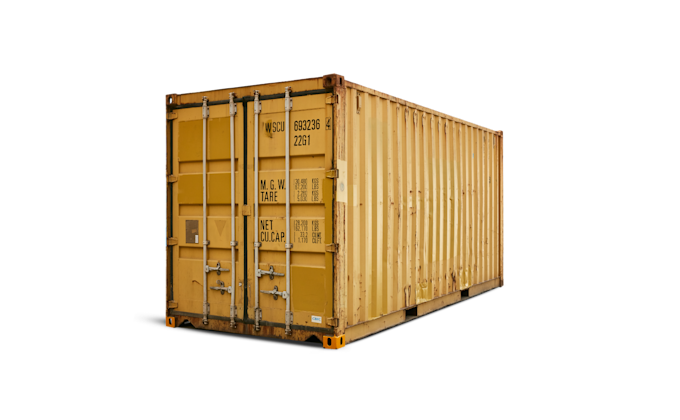
Reliable 20ft standard container, wind & watertight, ideal for storage or transport.
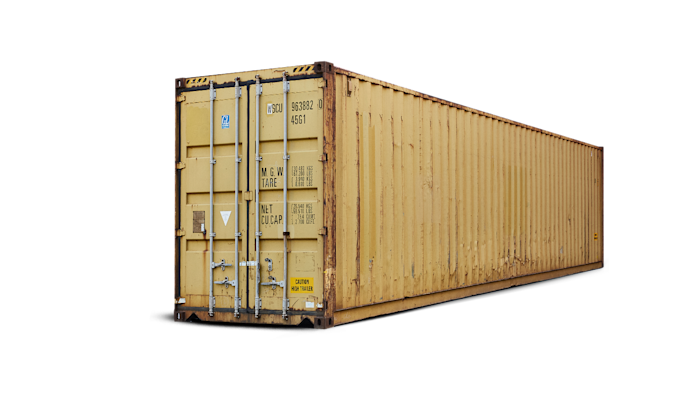
Extra height 40ft HC container — 2.70m internal height for maximum volume.
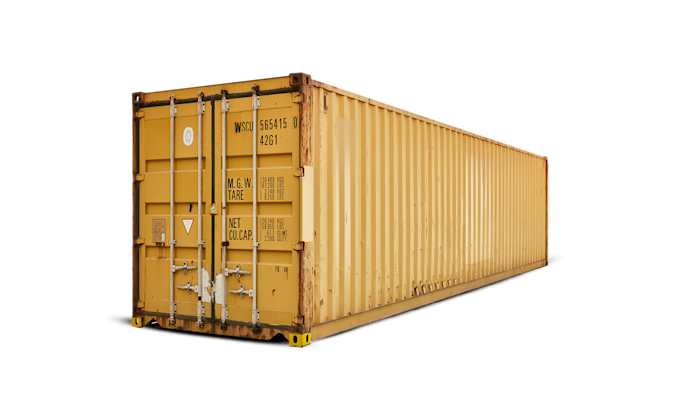
Spacious 40ft standard container with double doors, perfect for larger storage needs.
Whether it becomes buying or renting: HEROX delivers straight from the source, with a lowest-price guarantee and the option to pay after delivery. Browse the range or request a quote directly.
Buying is usually more cost-effective for long-term or structural use, often from around a year onwards. The container then stays your property, keeps its residual value and you no longer have ongoing monthly charges. For short-term or uncertain projects, the one-off investment is less quickly worth it compared with the flexibility of renting.
Renting is a good fit for a temporary project, such as a renovation, move or event, or when you are not yet sure how long you will need the space. You then pay only for the period you actually use the container and can easily scale up or down without selling a container.
Yes, alongside paying in advance with a 5 per cent discount and paying after delivery, when buying you can also pay in instalments over up to 36 months through a licensed European finance partner. That keeps buying feasible without having to free up the full amount in one go.
Rent is generally booked as an operational expense and is usually deductible straight away, without an investment appearing on the balance sheet. A purchased container more often counts as a business asset that is depreciated over several years. Always discuss the exact implications for your situation with a bookkeeper or accountant.
That varies from case to case and is not a fixed arrangement. Discuss the options with a quote request: the local team will think along about what is practical if a temporary rental need turns into structural use, and can then make a suitable proposal.
View live stock with prices, or get a tailored quote within one business hour.


